Japan bets on AI robots against labor shortages: Zeals presents humanoid D1
Given the scarcity of health and manufacturing workers, Japanese companies bet on AI robots.
Key takeaways
- A Zeals apresentou o D1, um robô humanoide com IA, para atuar em saúde e manufatura no Japão.
- O Japão enfrenta escassez de mão de obra nesses setores e aposta em robôs com IA como solução.
- Especialistas debatem se humanoides resolvem a falta de trabalhadores ou apenas mitigam o problema.
- O movimento japonês pode influenciar o Brasil, que também enfrenta desafios de produtividade e envelhecimento populacional.
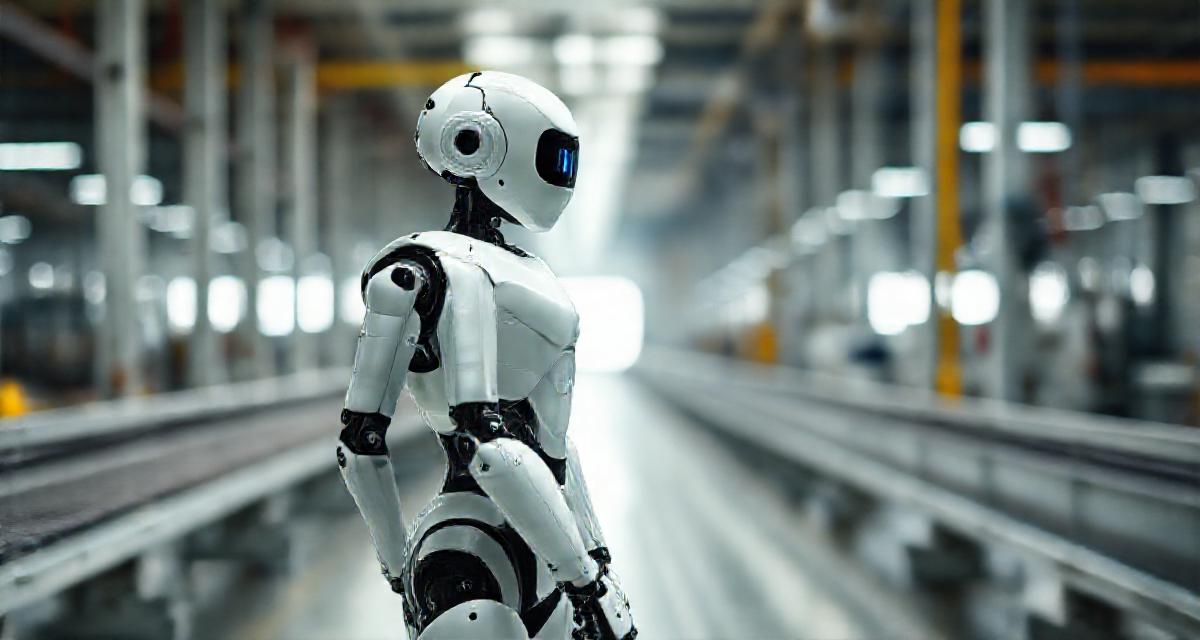
Japanese companies are putting artificial intelligence-powered robots at the center of the strategy to compensate for the lack of workers in sectors such as health and manufacturing. The latest demonstration comes from the startup Zeals, which featured the D1: a humanoid robot of 129 cm high, designed for internal use, with camera capable of recognizing faces and arms that can carry objects. According to Japan Today, the bet on AI robots in the country is broad and goes through various industries.
What is D1, the Zeals AI robot?
The D1 is a 129 - centimeter humanoid — below the height of an average adult, which makes it easier to circulate through corridors and indoor environments. It was designed for internal use, not for public spaces or roads. Two features define your proposal: a camera that recognizes faces, allowing targeted interaction to specific people, and arms capable of carrying objects.
It is the combination between perception and movement that separates this generation of robots from traditional industrial automation. Machines in assembly lines perform repeated movements in fixed positions; a robot with computer vision and facial recognition needs to operate in environments where people circulate and objects change places.
Why is Japan betting on AI robots now?
The answer lies in the shortage of labor, described as serious and spread across sectors ranging from hospitals to factories. With a population that has aged for decades, the country has reached a point where there are no professionals for functions that require physical presence: caring for patients, moving materials, serving the public.
Japan is not a rookie in robotics, but what changes now is the AI layer. Face recognition, visual perception and real-time decision enable machines to act in less structured environments where only humans once worked. This is the same movement that supports recent public investments, such as the country partnership with NVIDIA for physical AI infrastructure.
Do AI robots solve the lack of workers?
Not alone. The D1, as presented, is suitable for light transport and interaction tasks — does not replace a nursing professional or covers the repertoire of an experienced operator.
There are also gaps that the source does not fill: price, marketing time, exact load capacity, battery autonomy and production volume. Without these numbers, it is difficult to assess whether D1 is a scalable product or a demonstration of technical capacity. What is known is that it is part of a greater effort: Japanese automation depends not only on humanoids, but on robotic arms, vision systems and orchestration software.
What do AI robots mean to Brazil?
Brazil follows a path of population aging and coexists with productivity bottlenecks in industry and health personnel — the same combo that pushed Japan into automation. The difference is of scale and time: Japan began before and has a denser industrial and research base.
For those who develop in Brazil, the practical reading is that the demand for integration of computer vision, robotics and system orchestration tends to grow before the arrival of humanoids. This is what is already seen in smart manufacturing adopted by automakers.
Frequently Asked Questions about AI robots
What is Zeals' D1 robot?
It is a 129 cm humanoid robot created by Japanese Zeals startup for internal use, equipped with facial recognition camera and arms capable of carrying objects.
In which sectors does Japan want to use AI robots?
The bet is wide, but the source highlights precisely the sectors with acute shortages of workers, such as health and manufacturing.
Is D1 for sale yet?
The source shall not inform the price or date of marketing. The robot was presented as a model for internal use, not as a product available on the market.
Source: japantoday.com
Written by
Lucas MontarroiosSou Lucas Montarroios e dediquei os últimos 15 anos à linha de frente de operações de telecom e data centers. Minha carreira sempre foi pautada por um foco implacável: transformar tecnologia e cenários críticos em oportunidades reais de negócio. No novidades.ia.br, trago essa visão executiva para o universo da IA. Especialista em produtos, mercado e ferramentas práticas de IA. Minha missão aqui é filtrar o ruído do mercado, analisando benchmarks, estratégias de grandes empresas e ferramentas práticas.
Related articles
SoftwareOne leva engenharia de agentes de IA para a AWS Marketplace com método AI-DLC
A SoftwareOne publicou na AWS Marketplace uma oferta de Forward Deployed Engineering voltada à IA agêntica sobre AWS, com equipes embarcadas no cliente e a metodologia AI-DLC.

Mistral Large 4 (Le Chonk) sai com pesos abertos e estreia na Microsoft Foundry
A Mistral lançou o Mistral Large 4, apelidado de Le Chonk, como modelo de pesos abertos, e a Microsoft é a primeira nuvem a oferecê-lo via Microsoft Foundry.

Archetype AI transforma sensores industriais em inteligência operacional com Newton Agents na AWS
A Archetype AI apresenta uma arquitetura que converte o fluxo bruto de sensores industriais em inteligência operacional, executando seus Newton Agents na nuvem AWS, na borda ou em...