AI in the US Army: technology is ready, but soldiers are not – and that is the real problem
The U.S. Army accelerates the adoption of artificial intelligence, but former CIO Leonel Garciga warns: the biggest obstacle is not technology, but the cultural resistance of troops.
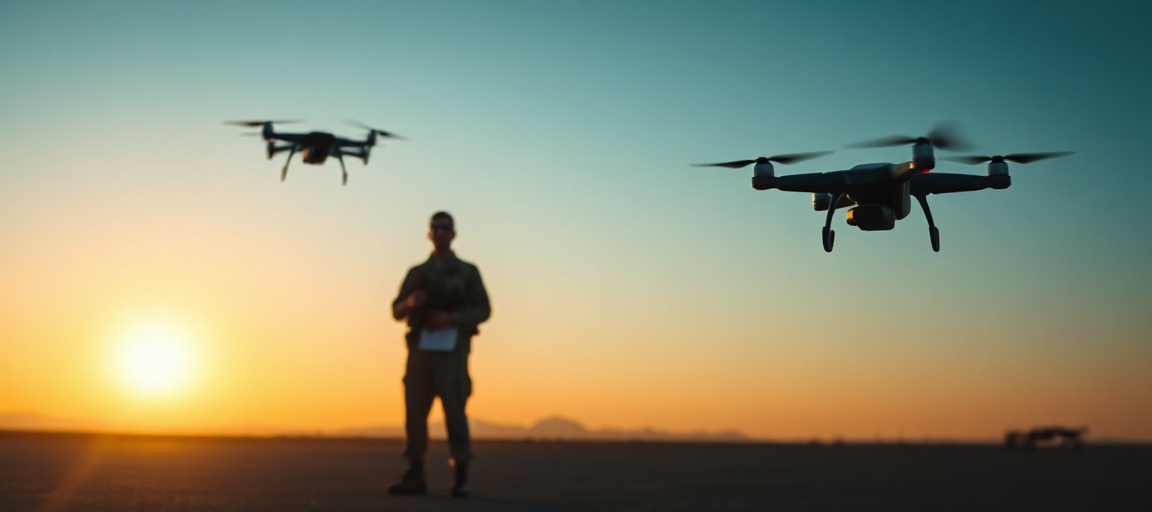
The Pentagon is keeping an eye on AI systems to speed up operations and make real-time decisions. But according to Leonel Garciga, former U.S. Army C.I., the real hindrance is not in algorithms or processing power — it's in the soldiers' heads. In an interview with Business Insider, Garciga stated that modernization with AI faces a "deep cultural challenge": to make the military rethink processes and rely on tools that challenge decades of tradition.
Cultural resistance is the biggest challenge of military AI
Garciga has not spared criticism of technological optimism. "It's not the hardware or software that slows the transformation -- it's the people," he said. In the Army, each decision went through strict hierarchies and protocols tested. However, AI requires agility and decentralization, which collides with the culture of command and control. The former CIO pointed out that many officers simply do not trust systems that make decisions autonomously or suggest routes that escape manuals.
Why do soldiers resist change with AI?
Resistance is not irrational. On the battlefield, the error of a machine can cost lives. Garciga points out that even with training, veteran soldiers tend to ignore AI recommendations when they contradict their intuition. He argues that the Army needs to create "AI champions" in each unit—military who understand both technology and local culture—to facilitate adoption.
Lessons on cultural resistance for organizations
The lesson goes beyond the barracks. Companies that try to deploy AI, such as those that use tools to automate code, often run into the same cultural wall. A recent example is the cloudflare restructuring, which cut 20% of the workforce while betting on the "age AI era". Changing processes and positions generates friction — and this is not solved with faster computers. Garciga suggests that the path is continuous training, transparency in results and, above all, patience to overcome organizational inertia.
How the Army faces cultural resistance to AI
The Pentagon has already launched pilot programs where ordinary soldiers, not just experts, operate AI systems. The idea is to incorporate technology into low-risk simulations, allowing the military to create familiarity without fear of fatal consequences. Garciga also advocates military leaders to set an example — openly use AI in their own tactical decisions, even if only as support, to normalize their use.
Frequently Asked Questions about Cultural Resistance and AI
IA in the Army already being used in real combat?
Yes, AI systems already assist in drone imaging and supply logistics, but there is still strong human supervision.Why does military culture resist more than private companies?
Because the error has immediate and fatal consequences, and the hierarchy is more rigid, making it difficult to decentralise the AI.How long does it take to change this culture?
Garciga estimates that it takes 5 to 10 years of systematic training and exemplary leadership for AI to be adopted naturally.Source: www.businessinsider.com

Written by
Manu RamalhoSou Manu Ramalho, publicitária com 16 anos de estrada conectando marcas e pessoas. Como fundadora da EME Marketing Digital, sempre busquei o marketing estratégico para gerar conexões autênticas. Aqui, mergulho na fronteira da inteligência artificial como analista de tendências. Meu foco é traduzir a complexidade de NLP, novos modelos de linguagem e papers acadêmicos para o mundo real, sempre com um olhar atento à regulamentação, ética e aos impactos sociais que essa tecnologia imprime na nossa sociedade.
Related articles

FDA exige validação de algoritmos de IA em ensaios clínicos: o que muda para patrocinadores
Nova orientação da FDA obriga patrocinadores de ensaios clínicos a validar formalmente algoritmos de IA usados em operações de estudo, estendendo à camada de algoritmo as exigência...

Scale AI e Catar fecham parceria para aprendizado personalizado com IA em escala nacional
A Scale AI vai desenvolver com o Ministério da Educação do Catar uma plataforma de aprendizado personalizado com IA para alunos, professores e gestores escolares.

IA autorreplicante: modelos podem se copiar em fornos e TVs sem data center, alerta Anthropic
Pesquisa da Anthropic indica que modelos pequenos de IA podem estar a poucos meses de se autorreplicar em dispositivos IoT comerciais, como fornos inteligentes e caixas de Android...