YouTube bets on AI agents, conversational editing and voice protection for creators
YouTube expands its creation suite with chat editing, the Ask Studio feature on mobile phones and AI agents, as well as adding audio to the similarity detection to protect the image from...
Key takeaways
- YouTube lança edição por conversa, Ask Studio no celular e agentes de IA para criadores.
- Detecção de semelhança com áudio amplia proteção contra uso indevido de voz e imagem.
- Recursos chegam para criadores brasileiros, com foco em edição e proteção de identidade.
- Anúncio não detalha prazos de implementação nem custos para os criadores.
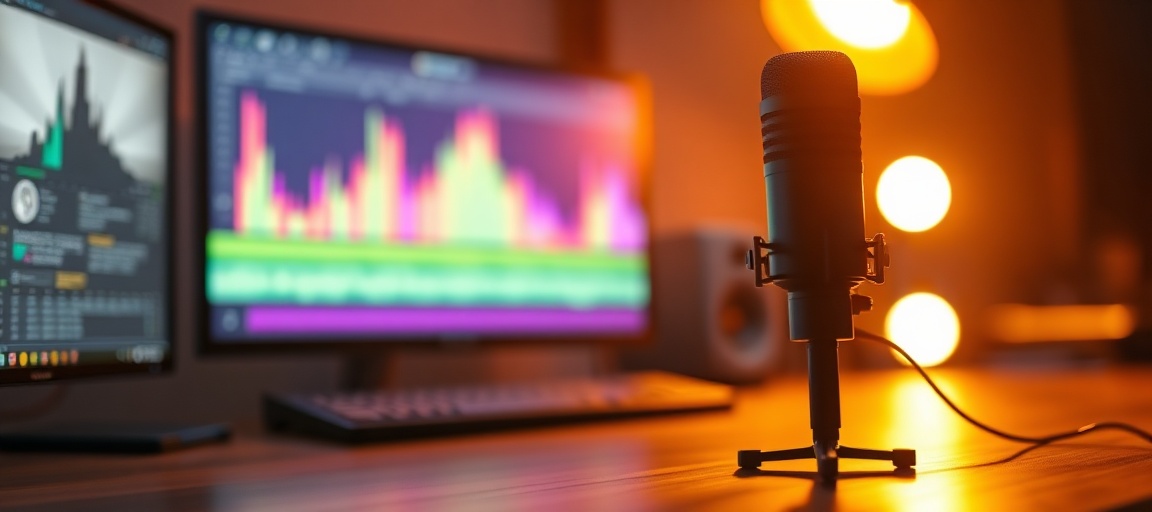
YouTube is stacking layers of artificial intelligence about the experience of those who create video on the platform: conversational editing, the Ask Studio assistant led to mobile phones, AI agents and live gamification. According to Digiday, movement combines two objectives: to boost the creativity of those who publish and shield these same creators against improper uses of the image itself.
What is YouTube launching with AI agents?
The package revolves around four fronts. The first is the conversational editing — a layer in which the creator describes in natural language the adjustment he wants to make in the video rather than manipulate timeline and menus. The second is to take Ask Studio, the platform's AI assistant, to the mobile app, bringing smart support closer to the moment the recording takes place. The third involves AI agents, which Digiday places at the heart of the breeder retention strategy. The fourth is live gamification, which transforms broadcasts into interactive experiences.
How does audio similarity detection change creator protection?
The most sensitive novelty is the inclusion of audio in the similarity detection system supported by AI. In practice, protection ceases to cover only the creator’s face and also reaches the voice — critical territory in times of vocal cloning by AI. It is a booster against deepfakes and synthetic audios that mimic creators to sell products, spread misinformation or divert audience. The platform reading is direct: if the generative AI facilitates copying, the same technology needs to be on the side of who is copied.
Why does YouTube speed up AI agents now?
Because the AI edition became the battlefield of the creative economy. Tools like Canva, which launched a custom design assistant with AI, have already shown that the common user expects to produce quality material without mastering professional software. Added to this are the agreements of the music sector around voice and rights, such as the pact between Spotify and Universal Music for covers and remixes with AI. Keeping the creator inside YouTube — instead of watching it edit out and just publishing there — is the explicit strategy behind the investment.
What changes for Brazilian creators with AI agents?
The clipping is practical before it is regulatory. Brazilian creators have their main production tool on their phones, and resources that reach the app first tend to have faster adoption here than tools attached to the desktop. Audio similarity detection also directly interests those who already suffer from fake profiles that clone voice for financial blows against audiences. On the side of developers and agencies, the bet on AI agents signals that integrations with the video ecosystem should gain automated APIs and streams in the coming cycles.
What the announcement of AI agents still does not solve
The answers that matter most in practice are missing: deadlines, countries contemplated in each phase, languages supported in conversational editing and exact audio detection criteria. There is also no public definition of how the platform will treat false positives — a recurring problem in content identification systems — or on the impact of these resources on the monetization of videos that use legitimately synthesized voice. Digiday describes the strategic direction, but implementation details remain open.
Frequently Asked Questions about YouTube and AI agents
What is Ask Studio on YouTube?
It is an AI wizard from the platform that now also works on the mobile app, providing support to the creator during the production process. The proposal is to reduce the distance between idea and execution, directly on the cell phone.
Does the conversational edition replace traditional video editors?
Nope. Functionality is a natural language shortcut for common settings, not a substitute for professional suites. It tends to benefit those who produce alone and do not master advanced editing software.
Why does similarity detection now include audio?
Because voice cloning by AI has become a concrete threat to the identity of creators. By extending face protection to voice, YouTube broadens the reach of a system that already existed for image.
Source: digiday.com

Written by
Manu RamalhoSou Manu Ramalho, publicitária com 16 anos de estrada conectando marcas e pessoas. Como fundadora da EME Marketing Digital, sempre busquei o marketing estratégico para gerar conexões autênticas. Aqui, mergulho na fronteira da inteligência artificial como analista de tendências. Meu foco é traduzir a complexidade de NLP, novos modelos de linguagem e papers acadêmicos para o mundo real, sempre com um olhar atento à regulamentação, ética e aos impactos sociais que essa tecnologia imprime na nossa sociedade.
Related articles
SoftwareOne leva engenharia de agentes de IA para a AWS Marketplace com método AI-DLC
A SoftwareOne publicou na AWS Marketplace uma oferta de Forward Deployed Engineering voltada à IA agêntica sobre AWS, com equipes embarcadas no cliente e a metodologia AI-DLC.

Mistral Large 4 (Le Chonk) sai com pesos abertos e estreia na Microsoft Foundry
A Mistral lançou o Mistral Large 4, apelidado de Le Chonk, como modelo de pesos abertos, e a Microsoft é a primeira nuvem a oferecê-lo via Microsoft Foundry.

SageMaker AI passa a suportar imagens SOCI e inicia treinos em segundos
A AWS passou a suportar no Amazon SageMaker AI imagens de contêiner indexadas com SOCI, que baixam só as camadas necessárias para o job subir.