Pentagon cuts partnership with Anthropic while closing AI agreements with rivals
The U.S. Department of Defense has excluded Anthropic from AI contracts for national security risks, while concluding agreements with Nvidia, Microsoft and AWS for use in class networks...
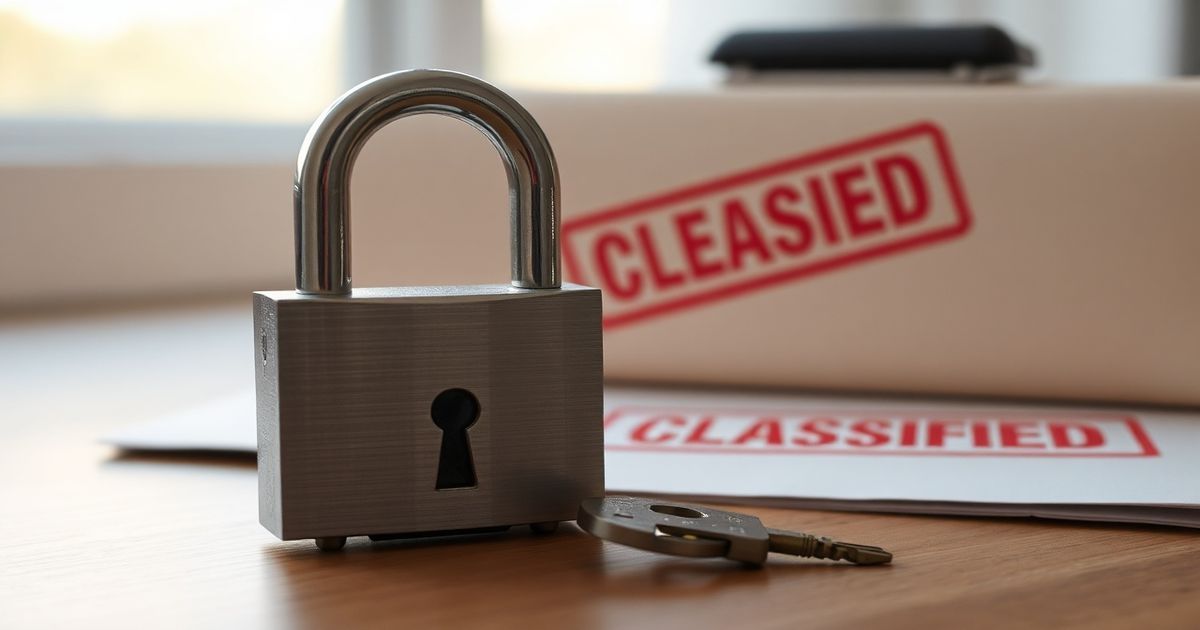
The Pentagon has announced that it will not renew its partnership with Anthropic, classifying the artificial intelligence company as a risk to national security. On the other hand, it closed contracts with seven industry giants, including Nvidia, Microsoft and Amazon Web Services (AWS), to implement AI tools on classified networks. The decision stems from differences in terms of unrestricted access to Anthropic platforms, which the government considered unacceptable.
Why did the Pentagon break up with Anthropic on AI contracts?
The main reason was the impasse around clauses that would guarantee the Defense Department full and continuous access to Anthropic AI models. According to sources heard by Defense News, the company resisted giving up certain controls on the use of its tools, especially in sensitive military applications. The Pentagon understood that this would compromise operational security and sovereignty over strategic data.Major winners of Pentagon AI contracts
The contracts were awarded to a select group of companies: Nvidia, Microsoft, AWS, Google Cloud, Oracle, IBM and Palantir. Each will provide infrastructure and AI solutions tailored to classified environments with edge processing, data security and compliance with military protocols. Nvidia, for example, will provide optimized GPU hardware for local training, while AWS will offer sovereign cloud services. Anthropic, despite being one of the most promising startups in Silicon Valley, was left out — a sign that the government prioritizes direct control over open innovation.Exclusion from Anthropic: impacts on the AI industry
The Pentagon's decision sends a clear message: companies that want high-level government contracts need to accept strict terms of supervision and access. Anthropic, known for its focus on AI security and alignment, may have calculated that giving in to full control would undermine its independence. But the cost was losing a billionaire client. For the market, this reinforces the trend that big players like Microsoft and Google, who already have robust contracts with the government, get ahead. Meanwhile, startups like Anthropic need to rethink their strategies — or run the risk of staying out of one of the world's largest AI markets. This movement also echoes the billionaire costs in AI that we saw recently, where only some companies manage to maintain participation in government projects without suffering market punishment.Frequently Asked Questions about cutting the Pentagon with Anthropic
What is Anthropic?
Anthropic is an artificial intelligence startup founded by former OpenAI members, focused on developing safe models aligned with human values. His main product is Claude, an AI assistant competing with ChatGPT.Why does the Pentagon consider Anthropic a security risk?
Because the company did not agree to grant the Department of Defense unrestricted and continuous access to its AI tools, which the government judged necessary to ensure control over data and operations on classified networks.Which companies signed contracts with the Pentagon?
The seven companies are: Nvidia, Microsoft, AWS, Google Cloud, Oracle, IBM and Palantir. They will provide AI hardware, software and services tailored to secret military environments.Source: www.defensenews.com
Written by
Lucas MontarroiosSou Lucas Montarroios e dediquei os últimos 15 anos à linha de frente de operações de telecom e data centers. Minha carreira sempre foi pautada por um foco implacável: transformar tecnologia e cenários críticos em oportunidades reais de negócio. No novidades.ia.br, trago essa visão executiva para o universo da IA. Especialista em produtos, mercado e ferramentas práticas de IA. Minha missão aqui é filtrar o ruído do mercado, analisando benchmarks, estratégias de grandes empresas e ferramentas práticas.
Related articles

Anthropic protocola IPO e mira a maior estreia da bolsa — com alerta de risco existencial
A Anthropic, criadora do Claude, apresentou os documentos para abrir capital nos EUA, em uma operação que pode se tornar o maior IPO da história.
Anthropic inclui o Brasil na política de regiões suportadas para Claude e serviços
A Anthropic publicou a lista oficial de países e regiões onde seus produtos e serviços estão disponíveis, e o Brasil aparece entre eles.

FDA exige validação de algoritmos de IA em ensaios clínicos: o que muda para patrocinadores
Nova orientação da FDA obriga patrocinadores de ensaios clínicos a validar formalmente algoritmos de IA usados em operações de estudo, estendendo à camada de algoritmo as exigência...