NVIDIA releases scale AI computing for multi-inquiline factories
NVIDIA announces partnerships with AI clouds to deploy multi-inquire infrastructure on a large scale, with revenue sharing model that aligns economic incentives...
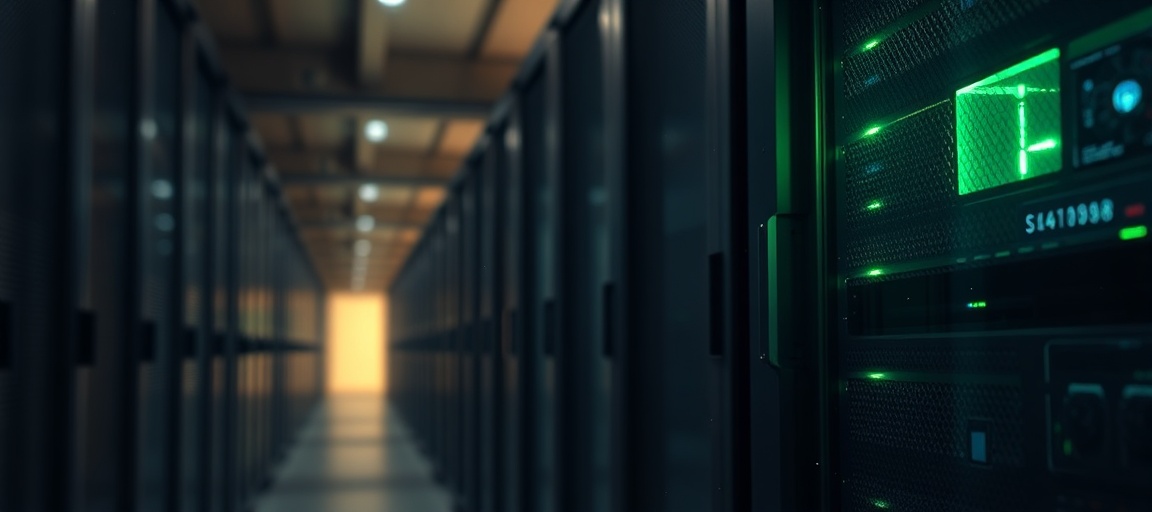
NVIDIA is opening its AI computing platform for infrastructure partners on a global scale. The company announced a new business model based on revenue sharing to enable multi-inquiry AI factories, allowing cloud providers to deploy massive GPU clusters without charge at all cost upfront. The initiative aims to accelerate the adoption of business AI by democratizing access to high performance computational power.
How does revenue sharing work in multi-inquiline AI computing?
Unlike the traditional model of direct hardware sales, NVIDIA now allows cloud providers and data centers operators to use their GPUs on a financial partnership basis. The company shares the revenue generated by multi-inquiry clusters, reducing the initial capital needed for partners. This aligns incentives: NVIDIA earns more when infrastructure is widely used, and partners can scale quickly without exposing themselves to excessive financial risks. According to NVIDIA's official blog, the initiative is already in operation with "AI clouds" that deploy large-scale AI factories, serving multiple customers simultaneously.
Why does multi-inquiry AI computing matter to cloud providers and businesses?
Companies that need GPU clusters to train or run AI models face two major bottlenecks: hardware availability and cost. With the multi-inquire model, cloud providers can offer hourly GPU billing, similar to what already occurs with traditional computing instances, but with competitive prices. For Brazilian companies, this means access to resources that were previously restricted to technology giants, without the need to invest millions in their own infrastructure. A Nvidia Report reveals: AI already generates revenue and cuts costs in companies, showing that the adoption of AI is directly linked to the availability of computational power.
Impacts of multi-site AI computing on the AI infrastructure chain
NVIDIA is changing market dynamics by becoming not only chip supplier, but operational partner. This pushes competitors to rethink their business models and can accelerate the consolidation of AI specialized data centers. In addition, the revenue sharing model creates a virtuous cycle: greater use leads to more revenue for NVIDIA, which reinvests in R&D, benefiting the entire chain. The company highlights that multi-inquiry AI factories are designed for high energy efficiency and liquid cooling, crucial aspects for sustainability and operational costs.
Frequently Asked Questions about multi-inquiline AI computing
Is the revenue sharing template unique to large cloud providers?
Nope. Although the first partners are specialized AI clouds, NVIDIA plans to expand the model for regional data center operators and telecommunications companies as demand grows.Do multi-inquiry factories compromise data security?
Each tenant operates in an isolated environment with secure virtualization of the GPUs, following the same isolation patterns used in public clouds. NVIDIA offers workloads and compliance management tools.How can a Brazilian company access this infrastructure?
Through cloud partners who join the program. The list of enabled providers will be released by NVIDIA in the coming months, and large global operators are expected to expand to the region. Follow the official NVIDIA blog for updates.Source: blogs.nvidia.com

Written by
Lucas MontarroiosSou Lucas Montarroios e dediquei os últimos 15 anos à linha de frente de operações de telecom e data centers. Minha carreira sempre foi pautada por um foco implacável: transformar tecnologia e cenários críticos em oportunidades reais de negócio. No novidades.ia.br, trago essa visão executiva para o universo da IA. Especialista em produtos, mercado e ferramentas práticas de IA. Minha missão aqui é filtrar o ruído do mercado, analisando benchmarks, estratégias de grandes empresas e ferramentas práticas.
Related articles

SageMaker AI passa a suportar imagens SOCI e inicia treinos em segundos
A AWS passou a suportar no Amazon SageMaker AI imagens de contêiner indexadas com SOCI, que baixam só as camadas necessárias para o job subir.

Archetype AI transforma sensores industriais em inteligência operacional com Newton Agents na AWS
A Archetype AI apresenta uma arquitetura que converte o fluxo bruto de sensores industriais em inteligência operacional, executando seus Newton Agents na nuvem AWS, na borda ou em...

NBA migra infraestrutura digital em 6 meses com AWS e destrava IA em tempo real
A NBA concluiu em seis meses a migração de sua infraestrutura digital com apoio da AWS, criando a base para conteúdo personalizado, insights preditivos e novas aplicações de IA.