IA scans 100 million Hubble images in two and a half days and discovers 1,300 cosmic anomalies
The AnomalyMatch machine learning system processed 99.6 million Hubble images in just 2.5 days, revealing 1,339 unusual sources — more than 800 never seen before.
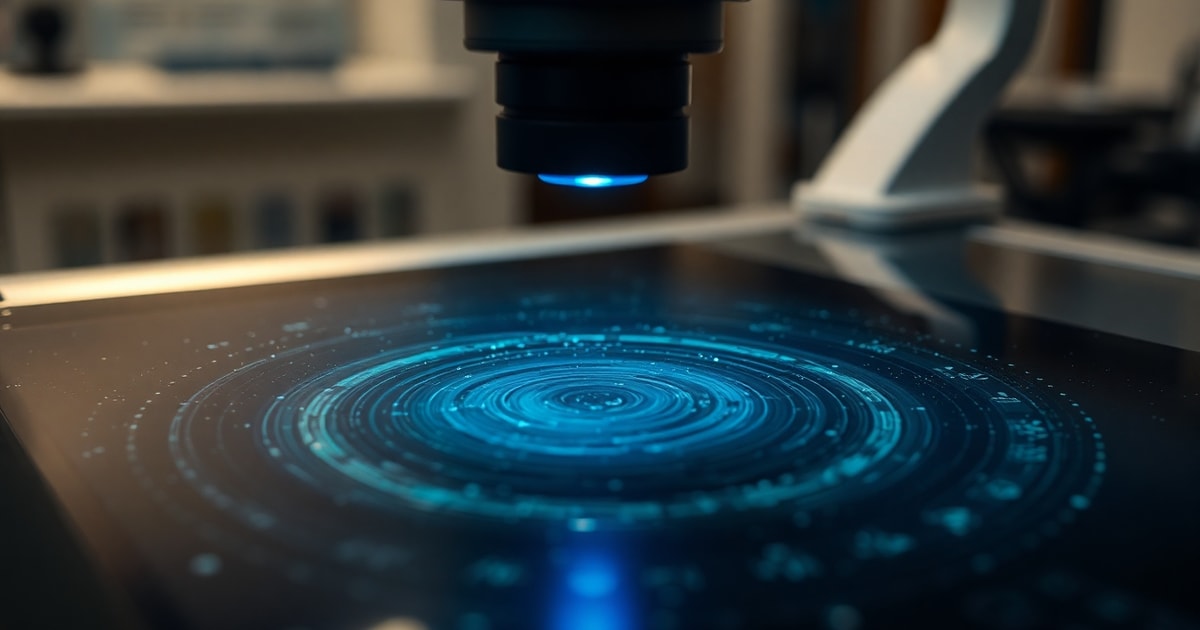
In just two and a half days, a machine learning system called AnomalyMatch swept 99.6 million images of the Hubble Space Telescope Legacy File. The result: 1,339 unusual cosmic sources, of which more than 800 had never appeared in scientific literature. The feat, originally published by Space Daily, demonstrates how artificial intelligence can revolutionize astronomical discovery by processing volumes of data that would be unviable for human analysis.
How AnomalyMatch detects AI anomalies in Hubble
AnomalyMatch is a machine learning model trained to identify objects that escape the expected patterns in astronomical images. It automatically compares each new image with millions of known references — galaxies, nebulae, stars — and signals what does not fit. In Hubble's case, the system was able to complete in 60 hours a task that would take years for a team of astronomers. Speed comes from the ability to process images in parallel, without fatigue or human bias.
Why the detection of AI anomalies matters to astronomy
The Hubble Legacy File contains decades of observations, but much of the data has never been analyzed in depth. With tools like AnomalyMatch, scientists can quickly identify candidates for rare objects — such as supernovas, black holes, unusual star clusters or even new types of phenomena. Over 800 of the sources found do not appear in existing catalogues, which means that they may represent genuine discoveries or priority targets for telescopes such as James Webb.
How the AI is transforming spatial data analysis
Astronomy has always dealt with huge volumes of data, but AI now enables us to extract insights on an unprecedented scale. Systems like AnomalyMatch not only accelerate the process but also reduce the operational cost of missions. This approach has parallels in other areas — for example, the Kimi K3: Chinese 3- trillion parameter model rivals Claude and ChatGPT and will be open-weight shows how massive models process information in record time. In space, the combination of historical files with machine learning promises to reveal secrets that were hidden amid billion pixels.
Frequently asked questions about AI and Hubble anomalies
How long would it take an astronomer to analyze these images manually?
Years. A team of astronomers would take decades to examine each of the 99.6 million images individually — and yet at risk of human error.
Could the anomalies found be new stars or galaxies?
Yeah, a lot of them. About 800 sources have never been catalogued before, from distant supernovas to unclassified objects such as black holes or rare clusters.
Will AnomalyMatch system be used in other telescopes?
Possibly. The same technique can be applied to archives of other observatories, such as James Webb or future missions, expanding the ability to discover on a large scale.
Source: Space Daily
Source: spacedaily.com

Written by
Manu RamalhoSou Manu Ramalho, publicitária com 16 anos de estrada conectando marcas e pessoas. Como fundadora da EME Marketing Digital, sempre busquei o marketing estratégico para gerar conexões autênticas. Aqui, mergulho na fronteira da inteligência artificial como analista de tendências. Meu foco é traduzir a complexidade de NLP, novos modelos de linguagem e papers acadêmicos para o mundo real, sempre com um olhar atento à regulamentação, ética e aos impactos sociais que essa tecnologia imprime na nossa sociedade.
Related articles

SageMaker AI passa a suportar imagens SOCI e inicia treinos em segundos
A AWS passou a suportar no Amazon SageMaker AI imagens de contêiner indexadas com SOCI, que baixam só as camadas necessárias para o job subir.

Archetype AI transforma sensores industriais em inteligência operacional com Newton Agents na AWS
A Archetype AI apresenta uma arquitetura que converte o fluxo bruto de sensores industriais em inteligência operacional, executando seus Newton Agents na nuvem AWS, na borda ou em...

NBA migra infraestrutura digital em 6 meses com AWS e destrava IA em tempo real
A NBA concluiu em seis meses a migração de sua infraestrutura digital com apoio da AWS, criando a base para conteúdo personalizado, insights preditivos e novas aplicações de IA.