Physics: Edge Impulse and AWS create hybrid architecture to locate objects in real time
Edge Impulse, Qualcomm company, and AWS launch solution that combines object detection on edge devices with natural language intelligence in the cloud, allowing you to operate...
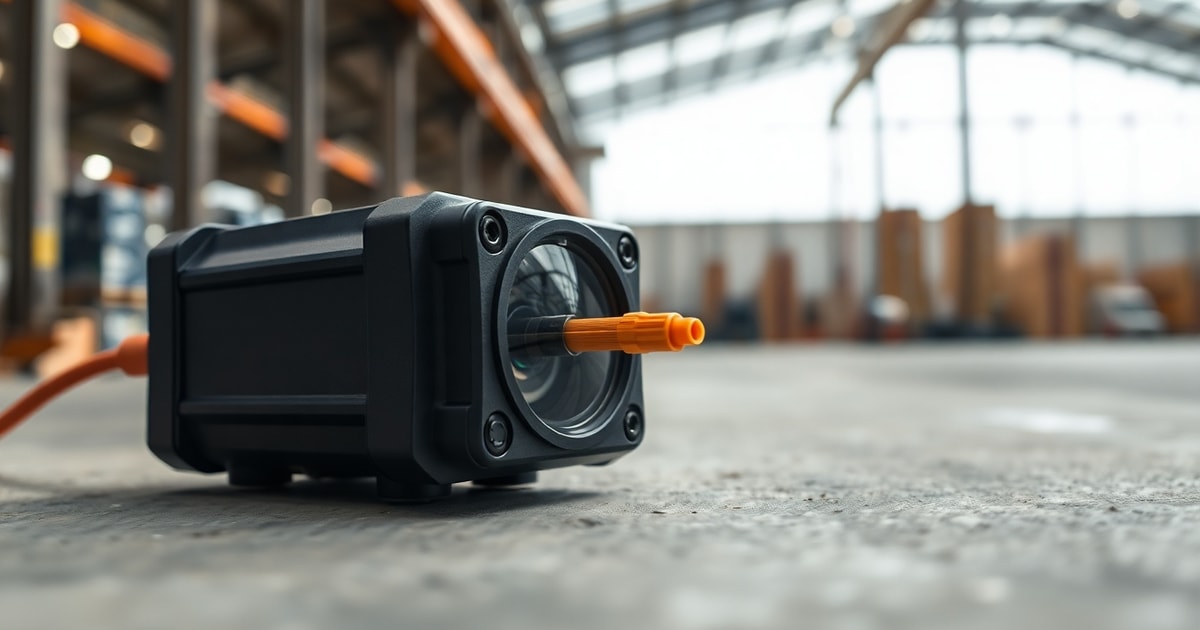
Edge Impulse and AWS' new edge-to-cloud architecture fills the gap between the physical world and natural language queries. Warehouse operators can now ask in real time where any item is — how 'Where is the forklift?' — and receive the exact location based on data from cameras and sensors processed on the edge, with the intelligence of the cloud interpreting the context.
How does the edge-to-cloud architecture enable physical AI?
The solution combines computer vision inference on local devices (edge) with AWS cloud language models. First, warehouse cameras detect objects using Edge Impulse optimized models that run on Qualcomm hardware. This location data is sent to the AWS cloud, where an AI model interprets queries in natural language and returns the exact position. All in real time.
Why is this hybrid architecture an advance for physical AI?
Physical AI seeks to bring artificial intelligence to the real world, and the main barrier has always been latency and lack of integration between physical data and human consultations. This partnership solves this by processing as much as possible on the edge — reducing cloud costs and delays — while using the cloud only for semantic intelligence. The result is a system that understands colloquial questions without needing complex interfaces.
Physical AI use cases: in addition to warehouses
Although the main example is logistics, architecture can be applied in factories to locate tools, in hospitals to track equipment, or in retail stores to understand customer flow. Any scenario that requires physical monitoring combined with consultation in natural language benefits. Edge Impulse, which is a Qualcomm company, already provides tools to train edge models, while AWS offers cloud infrastructure and generational AI services.
For more examples of AI integration into the physical world, see how Japan and NVIDIA launch first national physical AI infrastructure.
The future of AI Physics with Edge Impulse and AWS
The Edge Impulse and AWS partnership paves the way for AI assistants who understand the physical environment as well as they understand text. Imagine an operator asking "How many boxes are in zone A?" and get the answer in seconds, without needing panels or reports. The trend is that this type of interaction becomes standard in industries 4.0. Full details of the architecture and services involved are available in the official AWS blog(https://aws.amazon.com/blogs/physical-ai/edge-impulse-and-aws-combining-edge-inference-with-cloud-intelligence-for-physical-ai).
Frequently Asked Questions about Physical AI
Is Edge Impulse an independent company?
Edge Impulse is a Qualcomm company specializing in machine learning tools for edge devices (IoT and embedded).
Do I need experience in AI to use this solution?
Nope. Edge Impulse provides low-code platforms to train models, and AWS architecture manages the cloud part. Operators interact only with questions in natural language.
What specific AWS services are used?
The solution uses Amazon SageMaker to host language models, AWS IoT Core to connect devices and Amazon Bedrock to generative queries, as detailed in the official AWS blog.
Source: aws.amazon.com

Written by
Manu RamalhoSou Manu Ramalho, publicitária com 16 anos de estrada conectando marcas e pessoas. Como fundadora da EME Marketing Digital, sempre busquei o marketing estratégico para gerar conexões autênticas. Aqui, mergulho na fronteira da inteligência artificial como analista de tendências. Meu foco é traduzir a complexidade de NLP, novos modelos de linguagem e papers acadêmicos para o mundo real, sempre com um olhar atento à regulamentação, ética e aos impactos sociais que essa tecnologia imprime na nossa sociedade.
Related articles

SoftwareOne leva engenharia de agentes de IA para a AWS Marketplace com método AI-DLC
A SoftwareOne publicou na AWS Marketplace uma oferta de Forward Deployed Engineering voltada à IA agêntica sobre AWS, com equipes embarcadas no cliente e a metodologia AI-DLC.

Mistral Large 4 (Le Chonk) sai com pesos abertos e estreia na Microsoft Foundry
A Mistral lançou o Mistral Large 4, apelidado de Le Chonk, como modelo de pesos abertos, e a Microsoft é a primeira nuvem a oferecê-lo via Microsoft Foundry.

Archetype AI transforma sensores industriais em inteligência operacional com Newton Agents na AWS
A Archetype AI apresenta uma arquitetura que converte o fluxo bruto de sensores industriais em inteligência operacional, executando seus Newton Agents na nuvem AWS, na borda ou em...