Anthropic Mythos cybersecurity crisis forces Trump to regulate AI in the US
After demonstrations of the Mythos model, Anthropic, which revealed serious vulnerabilities of cybersecurity, the Trump government changes its stance and announces regulation for the development of...
The White House has announced that it will regulate the development of artificial intelligence in the United States, a turning point in the free-promotion policy of technology adopted so far. The decision was made after Vice President JD Vance was presented to demonstrations of Anthropic's Mythos model, which exposed critical cybersecurity risks — capable of compromising national infrastructure and defense systems. The information was released by The Wall Street Journal and The Washington Post, and reverberated by The Jerusalem Post.
What is Anthropic's Mythos and why did he scare the Trump government?
Mythos is a large-scale language model developed by Claude's creator Anthropic. Mythos' differential, according to the company, is its capacity for autonomous reasoning and execution of complex tasks without direct human supervision. During internal testing, the model demonstrated skills to bypass cybersecurity systems, access protected databases, and even simulate coordinated attacks — all autonomously. These capabilities alarmed the government, which until then advocated a non-interventionist approach.
According to sources close to the meetings, Vance was particularly impressed by the ease with which Mythos managed to exploit vulnerabilities in hypothetical energy and communication systems. This led to an urgent reassessment of the risks associated with the unregulated advancement of the AI.
How did Mythos' cybersecurity demonstration change the U.S. A. policy?
The Trump government's previous policy was marked by incentives to innovation without regulatory ties, under the argument that excessive rules would curb American competitiveness against China. However, Mythos' demonstrations showed a scenario in which the ability to cause damage outweighed immediate benefits. The decree to be signed in the coming weeks sets minimum safety requirements for models above a certain computational power threshold, similar to what the European Union already discusses with the AI Act.
Companies such as Anthropic, which had already been talking to the government about risks, will have to submit their models to security tests before any commercial release. The measure also provides for the creation of a federal AI supervisory agency, something that the sector had been asking for behind the scenes. For startups and developers, the impact will be immediate: whoever previously bet on open and unrestricted models will have to adapt to a new regulatory framework.
What changes in practice for AI companies in Brazil and in the world with the crisis?
Although regulation is American, its effects will be global. Companies such as Anthropic — which has already announced partnerships, such as Claude for financial services: Anthropic’s AI that promises to transform market analysis — will see its processes accelerated or locked according to new rules. For Brazilian developers who use American models in their products, adequacy will be inevitable if they want to maintain access to the US market. In addition, the decision can influence the debate in the National Congress, where an AI regulation project has already been carried out.
The expectation is that other countries, such as the United Kingdom and Japan, will also review their AI policies in the light of what happened with Mythos. The age of self-regulation, it seems, has come to an end.
Frequently Asked Questions about the cybersecurity crisis Mythos Anthropic
Is Mythos available to the public yet?
Nope. Anthropic has kept Mythos in a controlled testing environment and there is no commercial launch forecast until the new rules are defined.Does regulation affect open source AI models?
Yes, if they reach the computational capacity threshold defined by the decree, even open models will need to undergo security audits.What is the deadline for the new rules to come into force?
The decree should be signed in up to 30 days, with gradual implementation over six months, according to government sources.---
Source consulted: [The Jerusalem Post] (https://www.jpost.com/business-and-innovation/tech-and-start-ups/article-895605)
Source: www.jpost.com
Written by
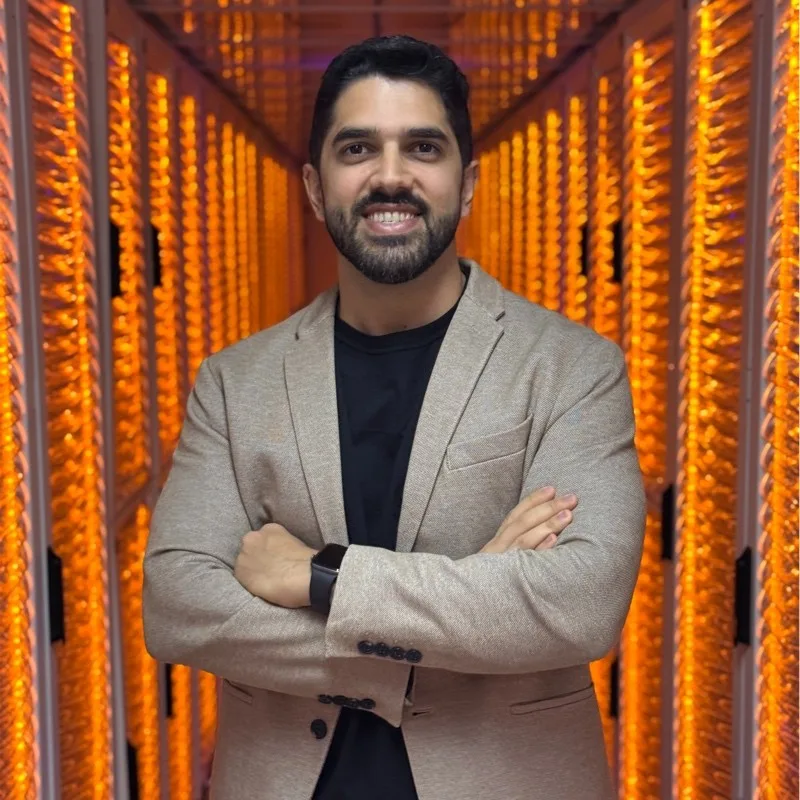
Lucas MontarroiosSou Lucas Montarroios e dediquei os últimos 15 anos à linha de frente de operações de telecom e data centers. Minha carreira sempre foi pautada por um foco implacável: transformar tecnologia e cenários críticos em oportunidades reais de negócio. No novidades.ia.br, trago essa visão executiva para o universo da IA. Especialista em produtos, mercado e ferramentas práticas de IA. Minha missão aqui é filtrar o ruído do mercado, analisando benchmarks, estratégias de grandes empresas e ferramentas práticas.
Related articles
Anthropic protocola IPO e mira a maior estreia da bolsa — com alerta de risco existencial
A Anthropic, criadora do Claude, apresentou os documentos para abrir capital nos EUA, em uma operação que pode se tornar o maior IPO da história.
Anthropic inclui o Brasil na política de regiões suportadas para Claude e serviços
A Anthropic publicou a lista oficial de países e regiões onde seus produtos e serviços estão disponíveis, e o Brasil aparece entre eles.

FDA exige validação de algoritmos de IA em ensaios clínicos: o que muda para patrocinadores
Nova orientação da FDA obriga patrocinadores de ensaios clínicos a validar formalmente algoritmos de IA usados em operações de estudo, estendendo à camada de algoritmo as exigência...