ArXiv hardens rules against AI in articles and bane authors for up to one year
The scientific repository ArXiv has announced new penalties for AI-generated articles in a careless manner, including a ban of up to one year for repeat authors, aiming to preserve the credibility of...
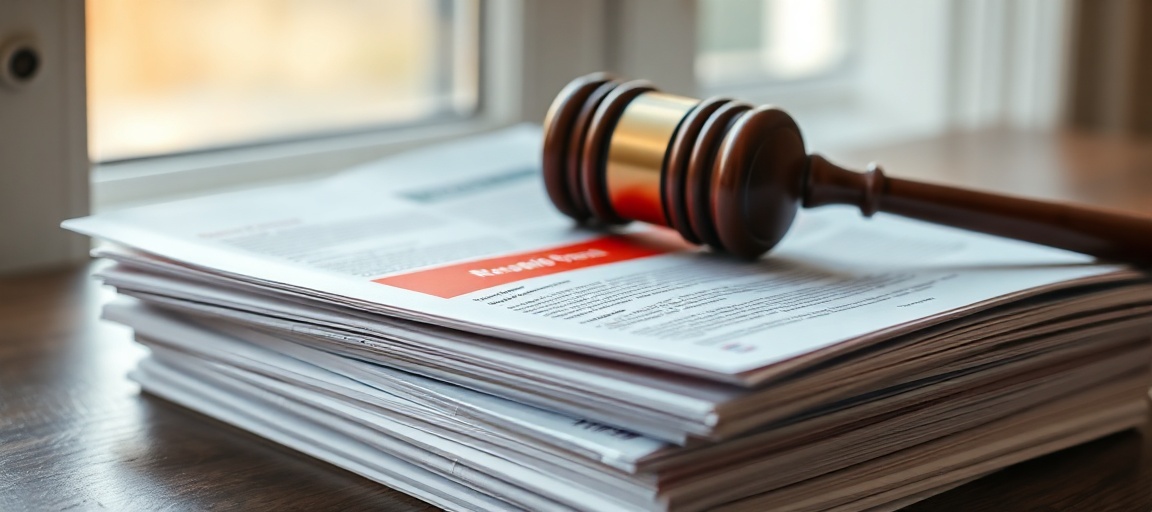
ArXiv, the main repository of open-access scientific articles, is hardening the rules against improper use of artificial intelligence in submissions. From now on, authors who use language models (LLMs) carelessly — resulting in errors such as invented references, false citations or inconsistent analysis — may be banned for up to a year. The measure, released by TechCrunch, aims to contain the pollution of the collection with low quality content generated by AI.
Why does ArXiv harden rules against AI?
With the advance of LLMs, ArXiv observed a significant increase in submissions that clearly delegate all creative and analytical work to AI. This generates articles with invented data, circular arguments and serious errors that compromise the credibility of the repository. According to the updated policy, the objective is not to prohibit the use of AI tools, but to hold the authors responsible for the verification and quality of the submitted content.
How does the ArXiv ban policy work?
Punishment is staggered. In the first serious infringement, the author may receive a formal warning. In case of recidivism or clearly fraudulent submission, the penalty may reach a year of ban on the repository. During this period, the author may not submit new articles, review papers or participate in editorial committees. The measure covers all co-authors identified as responsible.
What AI errors can lead to ban on ArXiv?
The main problems identified include:
The policy makes it clear that the responsible use of AI as a review or translation tool is accepted, provided the author assumes the final responsibility.
The impact of new ArXiv rules for researchers
ArXiv's decision reflects a broader tendency to regulate the use of AI in academic publications. Institutions such as COPE and scientific journals are also adopting similar rules. For Brazilian researchers, it is essential to master good practices: never delegate the writing of critical sections to LLMs without rigorous verification, keep records of original data and use plagiarism detection tools before submission. The subject also echoes discussions on transparency in automated decisions, as seen in recent regulations, for example, Illinois proposes notification rules for use of AI in employment decisions: mandatory transparency.
With the measure, ArXiv tries to anticipate a crisis of reliability that can affect the entire scientific ecosystem. Authors who rely too much on AI without critical review can compromise their careers and the integrity of academic production.
Frequently Asked Questions about ArXiv rules against AI
Can I use AI to review my article before submitting to ArXiv?
Yes, as long as you review and validate all the content generated, taking full responsibility for the data and arguments presented.How does ArXiv identify articles generated by AI?
The repository uses automatic detection tools combined with manual review by editors and peers, analyzing writing patterns and factual inconsistencies.Does banishment affect all my previous articles?
No, the ban only applies to new submissions during the specified period. Articles already published remain in the collection, but can be flagged as under suspicion.Source: techcrunch.com

Written by
Manu RamalhoSou Manu Ramalho, publicitária com 16 anos de estrada conectando marcas e pessoas. Como fundadora da EME Marketing Digital, sempre busquei o marketing estratégico para gerar conexões autênticas. Aqui, mergulho na fronteira da inteligência artificial como analista de tendências. Meu foco é traduzir a complexidade de NLP, novos modelos de linguagem e papers acadêmicos para o mundo real, sempre com um olhar atento à regulamentação, ética e aos impactos sociais que essa tecnologia imprime na nossa sociedade.
Related articles
Anthropic protocola IPO e mira a maior estreia da bolsa — com alerta de risco existencial
A Anthropic, criadora do Claude, apresentou os documentos para abrir capital nos EUA, em uma operação que pode se tornar o maior IPO da história.

Anthropic inclui o Brasil na política de regiões suportadas para Claude e serviços
A Anthropic publicou a lista oficial de países e regiões onde seus produtos e serviços estão disponíveis, e o Brasil aparece entre eles.

FDA exige validação de algoritmos de IA em ensaios clínicos: o que muda para patrocinadores
Nova orientação da FDA obriga patrocinadores de ensaios clínicos a validar formalmente algoritmos de IA usados em operações de estudo, estendendo à camada de algoritmo as exigência...